
Built for Individual LTC Homes and Hospitals
EMERGENCY COLOR CODES
AUDIT READINESS &
EMERGENCY COMPLIANCE
Eliminate Gaps & Ensure 100% Protocol Compliance During Inspections
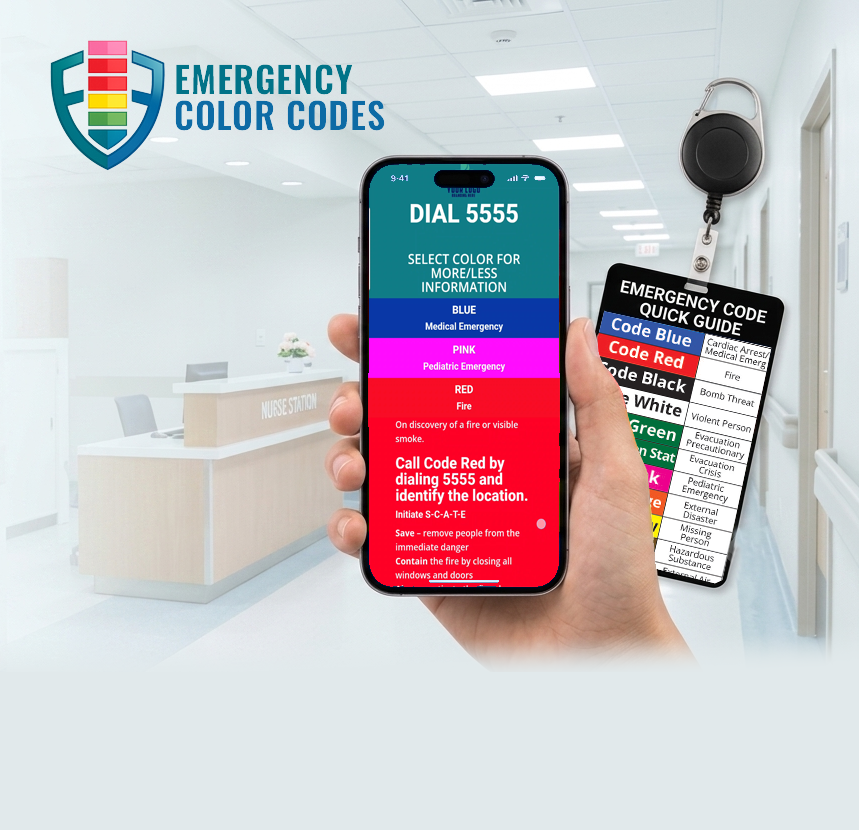
EMERGENCY COLOR CODES
AUDIT READINESS &
EMERGENCY
COMPLIANCE
Eliminate Gaps & Ensure 100% Protocol Compliance During Inspections
How to Run a Compliant Code Red Fire Drill in Long-Term Care
A step-by-step operational guide for healthcare leaders to execute mandatory monthly fire drills, ensure containment compliance, and pass Ministry audits.
1. Regulatory & Compliance Requirements
Under provincial long-term care regulations and local fire codes, LTC homes must conduct monthly fire drills for all personnel on every shift. Fire inspectors and Ministry compliance officers evaluate reaction speed, horizontal evacuation execution, and complete documentation logs.
2. Step-by-Step Drill Scenario Execution
Phase 1: Immediate Discovery & REACT Protocol (0–60 Seconds)
The discovering staff member immediately executes life safety principles:
- R (Remove): Remove anyone in immediate, direct danger if safe to do so.
- E (Enclose): Close the door to the fire room to contain heat and smoke.
- A (Activate): Pull the nearest wall-mounted manual fire alarm pull station.
- C (Call): Ensure 911 / emergency dispatch is notified.
- T (Try): Attempt suppression using a fire extinguisher only if trained and safe.
Phase 2: Announcement & Incident Command (Minutes 1–3)
- Overhead Page: Broadcast
"Code Red – [Location/Unit/Room]"three times clearly over the PA system. - Command Post: Charge Nurse assumes Incident Commander duties at the fire alarm annunciator panel.
Phase 3: Containment & Horizontal Evacuation (Minutes 3–10)
- Corridor Sweep: Staff close all open resident room doors, fire barrier doors, and window curtains.
- Egress Routes: Clear all meal carts, hoyer lifts, and equipment out of corridors.
- Horizontal Movement: If required, evacuate residents past approved fire barrier doors on the same floor.
3. Common Audit Failures & Corrective Actions
| Audit Area | Common Failure Point | Compliant Action Required |
|---|---|---|
| Door Closure Speed | Staff fail to close open resident doors quickly during alarm. | Train staff to immediately close every open door within their zone upon alarm signal. |
| Hallway Obstructions | Equipment carts left in corridors during active alarm response. | Assign designated runner to pull all carts into empty rooms or secure niches. |
| Night Shift Gaps | Night staff skip full containment steps due to reduced staffing. | Conduct silent/modified night drills testing actual night-shift staffing ratios. |
Download the Code Red Monthly Drill Audit Checklist
Get a printable PDF debrief sheet with timestamp trackers, door closure sign-off logs, and corrective action templates for your Fire Binder.