
Built for Individual LTC Homes and Hospitals
EMERGENCY COLOR CODES
AUDIT READINESS &
EMERGENCY COMPLIANCE
Eliminate Gaps & Ensure 100% Protocol Compliance During Inspections
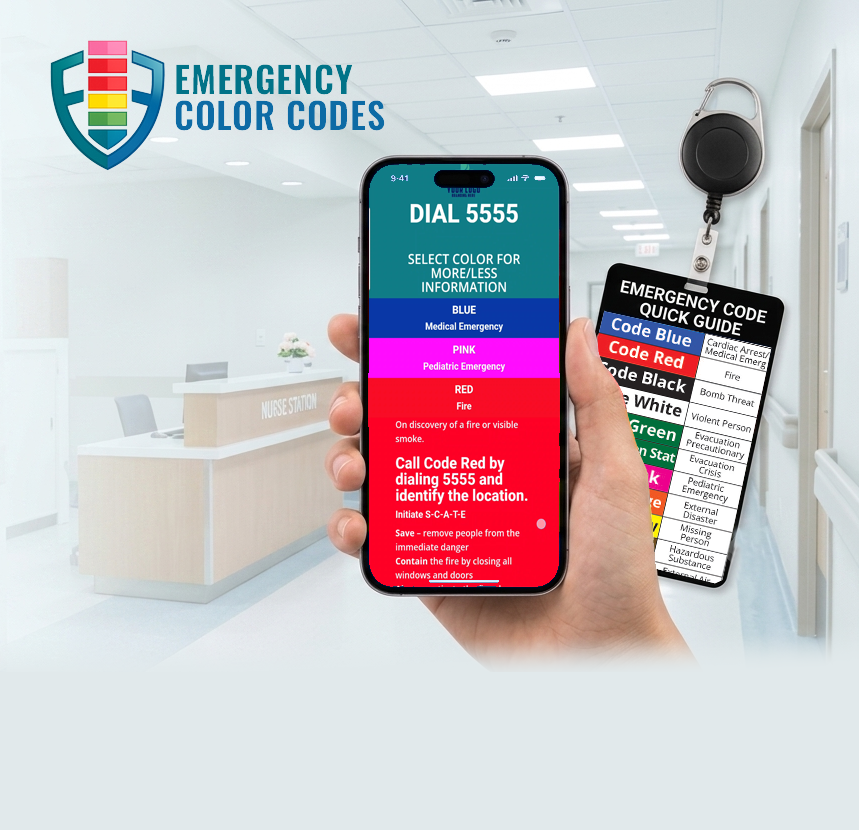
EMERGENCY COLOR CODES
AUDIT READINESS &
EMERGENCY
COMPLIANCE
Eliminate Gaps & Ensure 100% Protocol Compliance During Inspections
How to Run a Compliant Code Black Bomb Threat Drill in Long-Term Care
A step-by-step operational guide for healthcare leaders to manage telephoned bomb threats, execute visual sector searches, and maintain compliance during audits.
1. Regulatory & Compliance Requirements
Under long-term care emergency management regulations, facilities must maintain explicit operational procedures for responding to bomb threats and suspicious items. Compliance auditors evaluate caller detail logging, communication protocols (avoiding two-way radio transmission near suspicious packages), staff visual sweep execution, and liaison with emergency services.
2. Step-by-Step Drill Scenario Execution
Phase 1: Call Intake & Immediate Signaling (0–3 Minutes)
Upon receiving a telephoned bomb threat or written notification:
- Keep Caller on Line: Do not hang up. Remain calm and ask critical intake questions (Location, Detonation Time, Appearance, Reason).
- Log Details: Immediately fill out the Code Black Telephone Threat Intake Card (note background noises, accent, voice pitch, and caller ID).
- Silent Signal: Quietly wave to a co-worker or write a note to alert the Charge Nurse to dial 911 on a separate line.
Phase 2: Code Black Activation & Command Setup (Minutes 3–5)
- Overhead Announcement: Page clearly three times over the PA system:
"Code Black – All Units Execute Sector Sweep."(Avoid broadcasting specific room locations over the PA to prevent panic). - Command Center: Charge Nurse establishes Incident Command at the central nursing desk and retrieves the Code Black Emergency Kit.
- Radio Silence: Issue strict orders prohibiting two-way radio, walkie-talkie, or cell phone transmissions within 100 feet of an uninspected area.
Phase 3: Visual Sector Sweep & Isolation (Minutes 5–20)
- Staff Sector Sweep: Staff perform rapid visual sweeps of their immediate work areas, common rooms, hallways, and washrooms for out-of-place objects.
- Strict No-Touch Rule: If an unattended or suspicious package is identified, DO NOT TOUCH, MOVE, OR COVER IT.
- Area Isolation: Immediately evacuate residents from the immediate room/hallway, close doors, and place a physical perimeter guard outside the danger zone.
Phase 4: Emergency Services Hand-Off & All-Clear (Post-Event)
- Police Command: Transfer command and sector map logs to arriving police and bomb squad personnel immediately upon arrival.
- Overhead Announcement: Once cleared by law enforcement, page clearly:
"Code Black – All Clear, Code Black – All Clear." - Documentation: Submit completed call intake forms and sector sweep sheets into the facility's master emergency compliance binder.
3. Common Audit Failures & Corrective Actions
| Audit Area | Common Failure Point | Compliant Action Required |
|---|---|---|
| Caller Intake Logging | Staff panic and hang up without asking where the bomb is located or logging voice details. | Laminate Code Black Intake Cards and attach them directly to every landline desk phone across the facility. |
| Radio Frequency Hazard | Staff use handheld two-way radios to report suspicious packages near the item. | Enforce radio silence within 100 ft of suspected items; use landline phones or verbal runners instead. |
| Premature Handling | Staff attempt to open or move an unfamiliar bag to check its contents before police arrive. | Train staff on the absolute No-Touch rule: isolate the room, clear occupants, and await law enforcement. |