
Built for Individual LTC Homes and Hospitals
EMERGENCY COLOR CODES
AUDIT READINESS &
EMERGENCY COMPLIANCE
Eliminate Gaps & Ensure 100% Protocol Compliance During Inspections
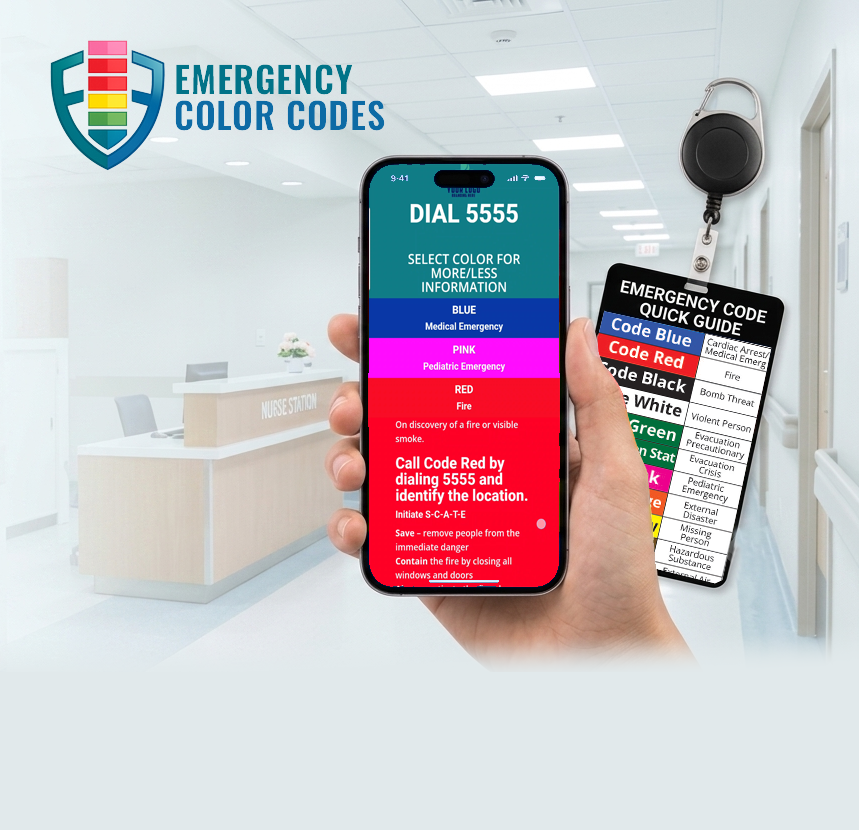
EMERGENCY COLOR CODES
AUDIT READINESS &
EMERGENCY
COMPLIANCE
Eliminate Gaps & Ensure 100% Protocol Compliance During Inspections
How to Run a Compliant Code White Behavioral Emergency Drill in Long-Term Care
A step-by-step operational guide for healthcare leaders to manage violent or aggressive behavior, deploy crisis de-escalation teams, and meet regulatory compliance standards.
1. Regulatory & Compliance Requirements
Under long-term care regulations and workplace health and safety legislation, healthcare facilities must maintain actionable procedures for managing responsive behaviors and physical aggression. Compliance auditors evaluate team response times, de-escalation techniques, staff protection measures, and debriefing logs following an incident.
2. Step-by-Step Drill Scenario Execution
Phase 1: Early Assessment & Initial De-escalation (0–2 Minutes)
Upon encountering an escalating, agitated, or physically aggressive individual:
- Maintain Safe Distance: Stay at least two arm-lengths away; ensure an unblocked exit path for yourself and bystanders.
- Verbal De-escalation: Use a calm, low-pitched voice, short simple sentences, and open body language (avoid crossing arms or pointing).
- Bystander Safety: Quietly guide uninvolved residents, visitors, and non-essential staff out of the immediate area.
Phase 2: Code White Activation & Team Assembly (Minutes 2–4)
- Overhead Announcement: Page clearly three times over the PA system:
"Code White – [Location/Unit/Room Number]". - Team Assembly: Designated Code White Response Team members (e.g., Charge Nurse, RPNs, designated team leads) drop non-urgent tasks and respond immediately to the location.
- Leader Designation: The first qualified responder assumes team lead duties to direct communication and assign roles.
Phase 3: Containment & Crisis Management (Minutes 4–15)
- Single Speaker Rule: Only the designated Team Lead speaks to the escalated individual to avoid sensory overload and confusion.
- Environmental Trigger Removal: Turn down loud radios/TVs, dim harsh lights, and clear potential weapons or throw-able items from the room.
- Emergency Escalation: If physical violence poses an immediate, uncontrolled threat to life and de-escalation fails, call 911 for law enforcement assistance.
Phase 4: Resolution, Post-Incident Care & All-Clear (Post-Event)
- Overhead Announcement: Once the individual is calm and safe, page clearly:
"Code White – All Clear, Code White – All Clear." - Medical & Psychological Check: Assess all involved parties for physical injury or emotional distress; offer immediate staff debriefing.
- Care Plan Update: Document triggers, effective interventions, and update the resident's behavioral care plan within 24 hours.
3. Common Audit Failures & Corrective Actions
| Audit Area | Common Failure Point | Compliant Action Required |
|---|---|---|
| Multiple Speakers | Multiple staff members talk over each other, escalating the individual's confusion and agitation. | Strictly enforce the single-speaker rule: only the assigned Code White Team Lead communicates verbally. |
| Unclear Response Roles | Staff arrive at the scene without knowing who is leading or who is securing surrounding residents. | Assign specific Code White shift roles (Lead, Bystander Safety, Runner) at every shift commencement. |
| Care Plan Disconnect | The incident is resolved but the triggers are not recorded in the resident's care plan. | Mandate a post-incident behavioral review to update care plans within 24 hours of any Code White activation. |