
Built for Individual LTC Homes and Hospitals
EMERGENCY COLOR CODES
AUDIT READINESS &
EMERGENCY COMPLIANCE
Eliminate Gaps & Ensure 100% Protocol Compliance During Inspections
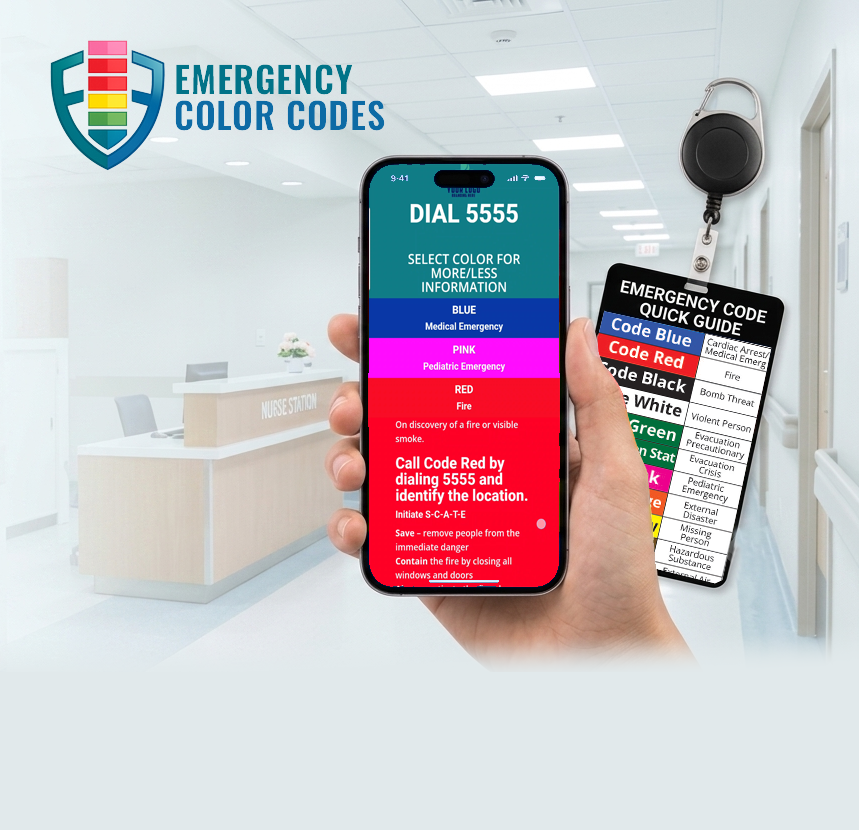
EMERGENCY COLOR CODES
AUDIT READINESS &
EMERGENCY
COMPLIANCE
Eliminate Gaps & Ensure 100% Protocol Compliance During Inspections
How to Run a Compliant Code Orange Mass Casualty Drill in Long-Term Care
A step-by-step operational guide for healthcare leaders to prepare for external community disasters, mass influxes of casualties, resource surge management, and regulatory compliance.
1. Regulatory & Compliance Requirements
Under long-term care regulations, facilities must maintain a comprehensive emergency plan to respond to external disasters (e.g., local transportation accidents, industrial spills, extreme weather events, or municipal health emergencies). Compliance auditors evaluate facility surge readiness, staff recall procedures, supply conservation protocols, and integration with regional health system incident command.
2. Step-by-Step Drill Scenario Execution
Phase 1: External Notification & Triage Activation (0–5 Minutes)
Upon receiving notification from regional EMS, public health, or municipal emergency management of an external disaster:
- Verify Alert Details: Incident Commander (Charge Nurse / Administrator) confirms nature of disaster, estimated casualty intake, and ETA with local authorities.
- Overhead Announcement: Page clearly three times over the PA system:
"Code Orange – All Units Execute Mass Casualty Protocol." - Command Post Activation: Establish the Facility Incident Command Center at the central administrative desk and open the Code Orange Command Binder.
Phase 2: Surge Area Setup & Staff Recall (Minutes 5–15)
- Staging Zone Setup: Clear main lobby/holding areas to create an intake triage staging site equipped with emergency stretchers, oxygen tanks, and assessment kits.
- Staff Call-In: Activate the emergency off-duty staff recall protocol to assemble additional nursing, medical, and support personnel.
- Bed Capacity Audit: Rapidly identify available beds, discharge-ready residents, or temporary overflow space across all units.
Phase 3: Casualty Intake, Triage & Resource Allocation (Minutes 15–45)
- START Triage System: Apply Simple Triage and Rapid Treatment (START) protocols (Immediate/Red, Delayed/Yellow, Minor/Green, Expectant/Black) at the intake desk.
- Supply Distribution: Issue emergency medical supplies, PPE, and medications from disaster stockpiles using strict inventory tracking logs.
- Regional Communication: Provide regular status updates (bed availability, resource limits, critical needs) to regional health authority emergency operations.
Phase 4: Stand-Down, Reconciliation & All-Clear (Post-Event)
- All-Clear Declaration: Once external authorities confirm the disaster state is resolved and casualty flow stops, page:
"Code Orange – All Clear, Code Orange – All Clear." - Patient Tracking Log: Reconcile all intake charts, transfer documentation, and casualty logs against regional medical records.
- Restock & Debrief: Replenish emergency disaster stockpiles immediately and conduct a multidisciplinary incident debrief.
3. Common Audit Failures & Corrective Actions
| Audit Area | Common Failure Point | Compliant Action Required |
|---|---|---|
| Triage Bottlenecks | Casualties arrive at the main entrance without a dedicated intake triage officer assigned. | Assign a dedicated Triage Nurse to the main entrance immediately upon Code Orange declaration. |
| Outdated Staff Call-In Lists | Emergency contact numbers for off-duty personnel are incorrect or missing during recall. | Audit and update staff emergency call-in contact rosters quarterly. |
| Disaster Stockpile Gaps | Emergency supply stockpiles contain expired dressings, missing oxygen regulators, or inadequate PPE. | Conduct monthly inventory audits on all dedicated Code Orange disaster kits and emergency bins. |