
Built for Individual LTC Homes and Hospitals
EMERGENCY COLOR CODES
AUDIT READINESS &
EMERGENCY COMPLIANCE
Eliminate Gaps & Ensure 100% Protocol Compliance During Inspections
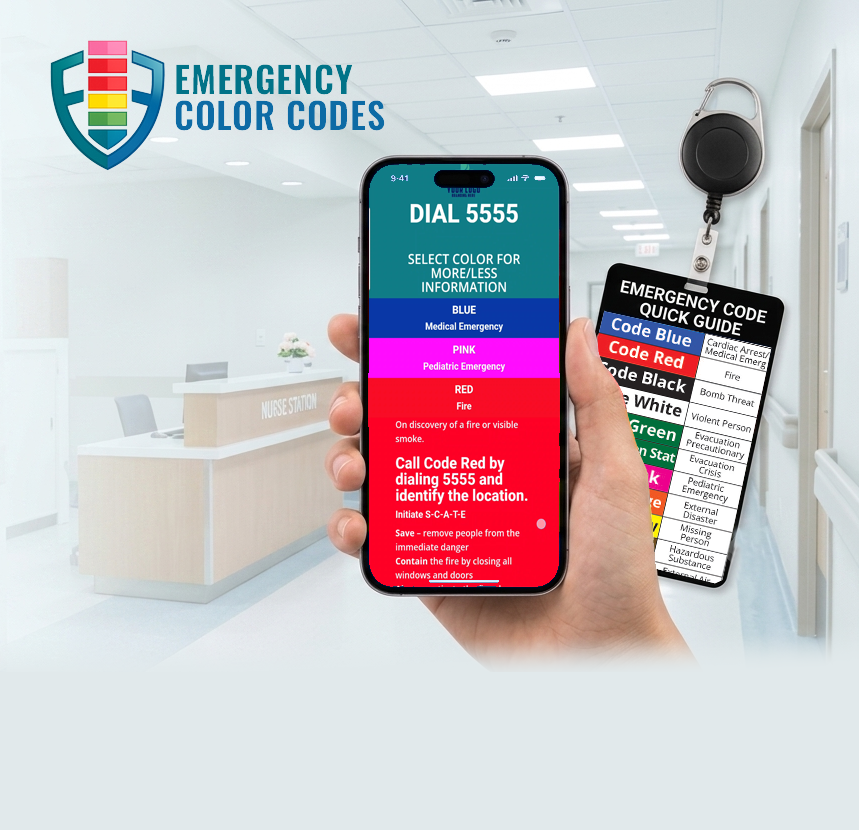
EMERGENCY COLOR CODES
AUDIT READINESS &
EMERGENCY
COMPLIANCE
Eliminate Gaps & Ensure 100% Protocol Compliance During Inspections
How to Run a Compliant Code Yellow Missing Resident Drill in Long-Term Care
A step-by-step operational guide for healthcare leaders to execute mandatory missing resident search protocols, organize grid searches, and satisfy Ministry audit requirements.
1. Regulatory & Compliance Requirements
Under long-term care regulations, facilities must maintain a clear operational procedure for missing residents. Compliance inspectors evaluate the speed of overhead paging, execution of simultaneous internal/external searches, and detailed documentation logs from the moment a resident is reported missing.
2. Step-by-Step Drill Scenario Execution
Phase 1: Initial Discovery & Rapid Local Sweep (0–3 Minutes)
When a resident cannot be located during routine care or headcounts:
- Immediate Area Check: Conduct a thorough 3-minute sweep of the resident's room, washroom, adjacent common areas, and immediate care unit.
- Verification: Quickly check sign-out logs, appointments, or scheduled family visits at the main reception desk.
- Notification: Inform the Charge Nurse immediately if the resident remains unaccounted for after 3 minutes.
Phase 2: Code Yellow Activation & Command Setup (Minutes 3–5)
- Overhead Announcement: Page clearly three times:
"Code Yellow – [Resident Name/Description] – Last seen [Location/Time]". - Command Center: Charge Nurse establishes Incident Command at the main nursing station and retrieves the Code Yellow Search Kit.
- Perimeter Lock: Secure all exit doors and monitor main entrance/exit corridors immediately to prevent off-property wandering.
Phase 3: Grid Search Execution & Log Sweep (Minutes 5–20)
- Search Team Assignment: Incident Commander assigns paired staff members to designated physical zones (e.g., Zone A: Resident Rooms, Zone B: Utility/Service Areas, Zone C: Grounds/Perimeter).
- Systematic Check: Searchers inspect every room completely, including under beds, inside closets, behind privacy curtains, and in stairwells.
- Status Reporting: Teams report completed zones back to Incident Command to be marked off on the master floor plan map.
Phase 4: Resolution & All-Clear (Post-Search)
- Resident Found: Conduct immediate clinical assessment, notify attending physician/family, and complete incident documentation.
- Overhead Announcement: Page clearly:
"Code Yellow – All Clear, Code Yellow – All Clear". - Unsuccessful Search: If unfound after full facility sweep, immediately escalate to police (911) as per facility policy.
3. Common Audit Failures & Corrective Actions
| Audit Area | Common Failure Point | Compliant Action Required |
|---|---|---|
| Delayed Activation | Staff spend 15–20 minutes doing informal searches before declaring Code Yellow. | Enforce the 3-minute rule: if not found locally within 3 minutes, initiate Code Yellow immediately. |
| Incomplete Map Tracking | Search zones are searched randomly without central tracking at the command desk. | Use a laminated floor plan clip sheet to physically check off rooms as teams report completion. |
| Outdoor Area Omission | Staff focus entirely on interior corridors while leaving exterior courtyards unsearched. | Assign a dedicated outdoor team immediately upon Code Yellow activation regardless of weather. |